How to write a Spanish website that converts (not just translates)
Here is a real thing that happens:
A marketing director at an international brand spends weeks getting the Spanish website ready for launch. Good design, fast loading, mobile-friendly. They hand the English copy to a translator — a good one, they say. Four months after launch, the conversion rate is 40% lower than the English site.
Maybe Spain is just a harder market.
It is not. The copy is the problem. 🎯
When a potential client in Spain lands on your homepage, they make a judgment within seconds. Not just about your product or service — about whether your brand understands them. Whether you have made the effort to show up properly in their language and their context.
A translated website can pass the basic test. A properly localised one builds genuine confidence from the first paragraph.
- Why a translated website is not the same as a Spanish website
- The five pages that need localised copy, not just translation
- Words and phrases that resonate, and ones that fall flat
- SEO considerations for Spanish-language websites
- A homepage headline rewritten for a Spanish audience

Why a translated website is not the same as a Spanish website
Translation converts text. It does not convert visitors.
A translated website contains the same information as the original in a different language. A Spanish website is written for a Spanish audience — which means it addresses their specific concerns, uses the vocabulary they actually use, presents arguments in the order they find persuasive, and builds trust the way trust is built in that market.
These are not small differences. They affect whether a visitor keeps reading or leaves, whether they fill in a form or close the tab, whether they become a client or go to a competitor who feels more native.
The test is simple: show your current Spanish website to a Spanish person — from Spain specifically, not Latin America — and ask them: does this feel like it was written for you? If the answer is anything other than a clear yes, the website is costing you leads.
The five pages that need localised copy, not just translation
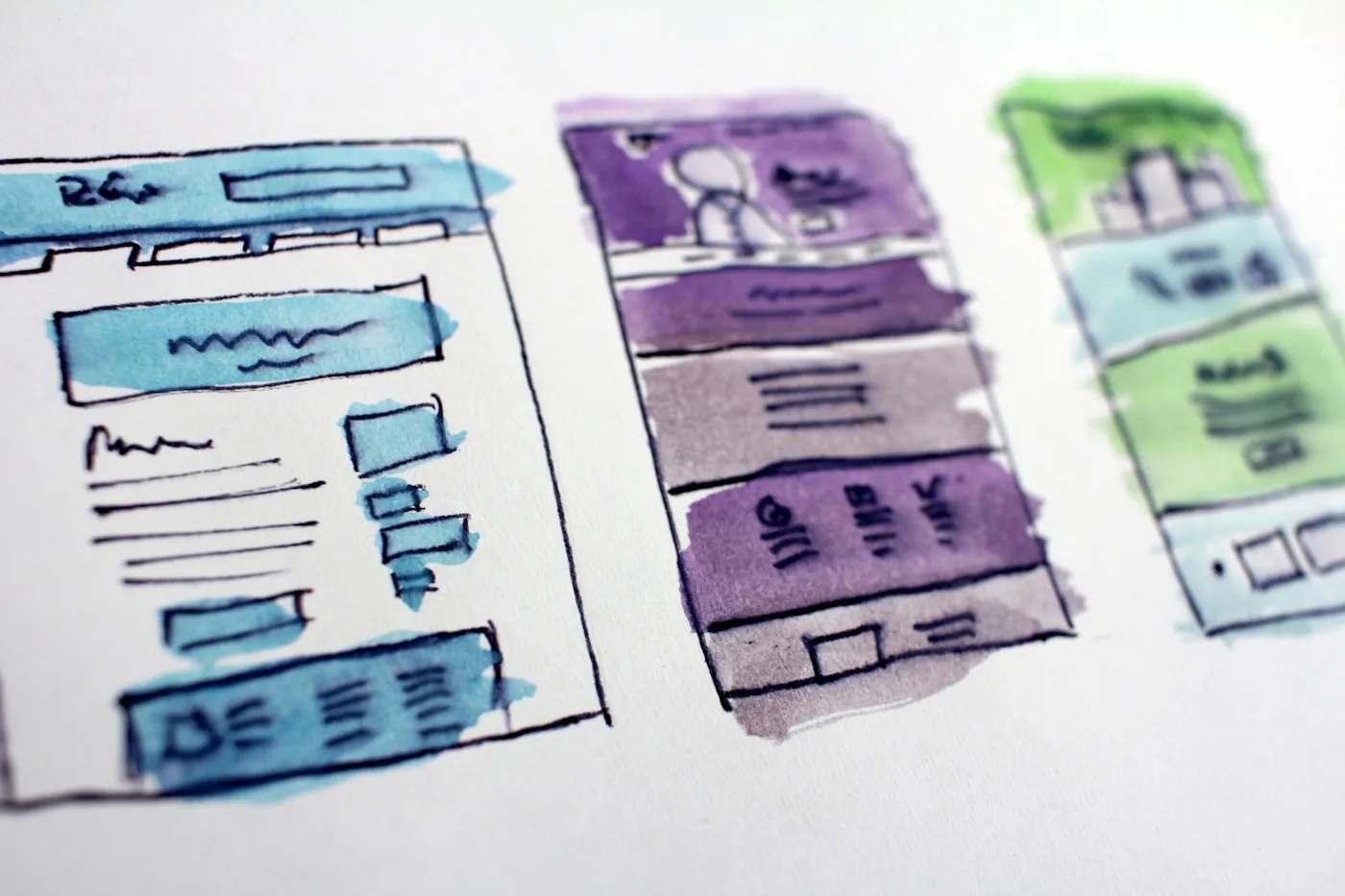
Not every page carries the same weight. These five are where copy decisions have the most direct impact on outcomes.
The homepage is where visitors form their first impression. 🏠 The headline needs to be immediately legible to a Spanish reader, using vocabulary and phrasing they would naturally encounter. Generic descriptors that work in English (innovative solutions, world-class service) often carry far less weight in Spanish, where specificity and directness are valued.
The services or product pages are where visitors decide whether you can actually solve their problem. The copy here needs to match the language your Spanish clients use when they talk about their own challenges — not the language your internal team uses to describe your offering.
The about page carries more weight in Spain than in many other markets, because Spanish consumers invest significantly in the question of who they are buying from. This page needs to build genuine personal credibility, not just list facts. The tone should feel warm and direct — not corporate. 🤝
The contact page and calls to action are where small copy decisions have an outsized impact. The specific words you choose for buttons and forms, the level of formality you use when addressing the reader, and how you frame the ask — all of this affects whether someone takes the final step.
Any SEO content needs to be researched and written from scratch for the Spanish market — not adapted from English. What Spanish-speaking people search for is not the translation of what English-speaking people search for. Keyword intent, search volume and vocabulary vary significantly. This is not a translation task; it is a content strategy task. 🔍
Words and phrases that resonate, and ones that fall flat
A few patterns that show up consistently in underperforming Spanish website copy:
False friends and borrowed vocabulary. Spanish marketing copy has absorbed many English terms, some naturally and some awkwardly. Networking, branding and marketing are well-established. Engaging content, growth hacking and customer journey often create a jarring effect, especially in consumer-facing copy where a more native register is expected.
Overly formal or overly literal phrasing. Copy translated from formal English often produces Spanish that sounds like a legal document. Phrases like leveraging synergies or delivering holistic solutions land poorly in English — and catastrophically in Spanish. The rule is: write how a knowledgeable Spanish person would actually speak.
Emotional distance. Spanish copy that works tends to be direct and personal. If your copy sounds like it was written by a committee, Spanish readers will sense it immediately.
Generic calls to action. ❌ Submit, click here and learn more are weak in any language. In Spanish they also feel oddly impersonal. More effective alternatives are specific and active: Cuéntame tu proyecto (tell me about your project) or Descubre cómo funciona (find out how it works).
SEO considerations for Spanish-language websites
Spanish SEO is a separate discipline from English SEO applied in Spanish. A few key differences:
Search intent often differs between languages. A Spanish user searching for copywriting services may use entirely different terms from an English speaker with the same need. Research needs to start from scratch with Spanish-native tools and genuine knowledge of how the category is discussed in Spain.
Competition varies. Some terms that are highly competitive in English have relatively low competition in Spanish. Others are more competitive in Spain than in English-speaking markets. Understanding the landscape requires research — not assumptions based on the English version.
Local relevance matters more than many international brands expect. Spanish users respond to content that acknowledges Spanish context, uses Spanish examples and references, and demonstrates familiarity with the Spanish market. A globally-neutral perspective reads as a brand that has not done its homework. 📉
A homepage headline rewritten for a Spanish audience

Here is a concrete example of what the difference looks like in practice.
Original English headline (direct translation into Spanish):
Innovative communication solutions for global brands Translated: Soluciones de comunicación innovadoras para marcas globales
Localised for a Spanish audience:
Textos que funcionan en español e inglés. Sin que suenen a traducción. (Copy that works in Spanish and English. Without sounding translated.)
The second version is specific, concrete and speaks directly to the problem the target audience actually has. It uses natural Spanish phrasing and a tone that feels personal rather than corporate. It is not a translation of the first headline. It is a different piece of writing for a different audience, based on the same brief.
That is what localised copywriting looks like in practice. ✅
For more on why this matters for your brand’s overall Spanish strategy, see our article on how to enter the Spanish market with the right messaging. And if you suspect your current Spanish website is underperforming because of the copy, a communication audit is the fastest way to find out where the gaps are.